Access Denied
IMPORTANT! If you’re a store owner, please make sure you have Customer accounts enabled in your Store Admin, as you have customer based locks set up with EasyLockdown app. Enable Customer Accounts
Calcium Carbonate: A Beneficial Toothpaste Ingredient
By Gerry Curatola |
Jul 04, 2025
As a naturally occurring, non-toxic mineral, calcium carbonate is a popular choice for oral hygiene by the ADA (American Dental Association) and holistic dentistry. It aids in supporting mineral balance, removing surface stains, and even balancing oral pH levels.
What Is Calcium Carbonate?
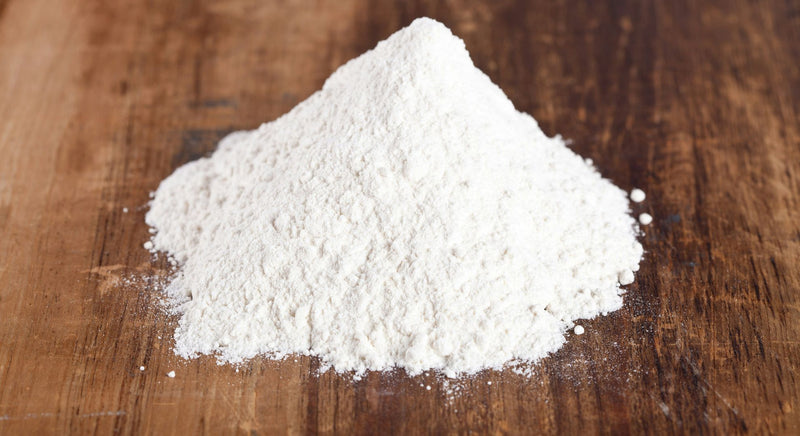
Calcium carbonate (CaCO3) is a white, odorless, chalk-like substance derived from natural sources such as limestone, seashells, eggshells, and marble. It’s commonly used in toothpaste as a mild abrasive and stabilizing agent to help remove plaque and polish the tooth surface effectively.
Calcium carbonate is also used as an antacid for heartburn relief and as a calcium supplement.
Why It’s Used In Toothpaste
Calcium carbonate is a vital toothpaste ingredient because it supports mineral balance in enamel, and its mild abrasion improves teeth whitening by removing surface stains and plaque. It plays a dual role in both oral health and product formulation.
As an edible and non-toxic mineral, it’s not harmful if swallowed. This makes it an ideal toothpaste ingredient for children.
Mild Whitening Abrasive
As a gentle polishing agent (ranking at a 3 on the Mohs scale), calcium carbonate helps to remove surface stains and dental plaque without eroding tooth enamel.
This makes it a safe and effective ingredient for whitening toothpaste formulations that aim to brighten smiles through physical means, unlike other formulations that use sodium fluoride as their active ingredient, or dental treatments that bleach teeth through chemicals.
Tooth Remineralization Support
Calcium carbonate contributes calcium ions to the oral environment, which are essential for the natural remineralization process.
It helps to strengthen enamel, which can help sensitive teeth grow stronger, protect against demineralization, and maintain healthy teeth.
As a natural source of calcium that assists with enamel repair, it’s favored by biologic dentistry, which emphasizes a whole-body approach to oral health care.
Helps Rebalance Oral pH
Acidic conditions in the mouth can lead to tooth enamel erosion and tooth decay. Calcium carbonate helps neutralize oral acids, helping to restore and maintain a balanced pH level in the mouth.
This function is important for cavity prevention and overall oral wellness. When paired with calcium fluoride, it can also help prevent tartar and tooth decay.
Thickens Toothpaste and Makes It White
In addition to its cleaning and remineralizing roles, calcium carbonate acts as a thickening agent. Without it, the paste would be too watery and slump more easily.
When calcium carbonate is added, it gives the formulation a smooth texture and bright white color, enhancing both the feel and visual appeal of the toothpaste.
Read Next: Benefits of Cranberry Seed Oil in Toothpaste
Safety Considerations
Calcium carbonate is considered non-toxic and safe for daily oral care. It’s approved by dental health authorities and the American Dental Association for use in toothpaste formulations.
Most people tolerate it well, but individuals with specific tooth sensitivities to minerals or underlying conditions should consult a dental care professional before use.
Natural and non-toxic, calcium carbonate toothpaste is better for your oral health than fluoride-based oral care products.
That being said, individuals who have a high calcium level in their body from overexposure should be aware of the side effects of a potential “overdose” of calcium, including:
-
Abdominal pain
-
Confusion
-
Muscle twitching
-
Headaches
-
Kidney stones
-
Acute renal failure
For these adverse effects to occur, though, an individual would have to intake over 7 grams daily, while regular recommended doses are 500-1000mg.
Read Next: Is Stevia Bad for Your Teeth?
FAQs
What ingredients should not be in toothpaste?
When choosing a toothpaste, it’s best to avoid ingredients that may cause irritation or offer no real dental benefit. Ingredients to watch out for include:
-
Triclosan: An antimicrobial agent is banned in many countries due to health concerns.
-
Sodium Lauryl Sulfate (SLS): A foaming agent that can irritate the mouth and cause canker sores.
-
Artificial colors: Artificial colors and dyes, such as Blue 1 or Yellow 5, may trigger allergic reactions in sensitive users.
-
Propylene Glycol: A synthetic solvent that may cause oral irritation.
-
Parabens: Chemical preservatives that could interfere with hormone function.
-
Excess fluoride: While fluoride is okay in very small amounts, swallowing too much can lead to toxicity. Many mouthwashes and other oral hygiene products use sodium fluoride as their main ingredient.
What should you look for in a toothpaste for healthy teeth?
Choosing the right toothpaste is essential for maintaining optimal oral health and a balanced microbiome. Look for formulations that offer proven protection while avoiding potentially irritating ingredients. Here's what to prioritize:
-
Mild abrasives, such as calcium carbonate, silica, or baking soda, to gently remove plaque and stains.
-
pH-balancing ingredients, which help reduce acidity in the mouth to protect enamel.
-
Remineralizing agents, like calcium or hydroxyapatite, help restore lost minerals in enamel.
-
No harsh additives. If you have a sensitive mouth or are looking for a more natural option, avoid artificial dyes, SLS, or parabens.
-
ADA Seal of Acceptance. This indicates the product has been scientifically evaluated for safety and effectiveness.
Always choose a toothpaste tailored to your specific needs, such as anti-sensitivity, whitening, tartar control, or gum care.
Read Next: CoQ10 In Toothpaste: What It Does and Why It Matters
How can you avoid tooth decay naturally?
Preventing cavities doesn’t rely on toothpaste alone; it involves a combination of lifestyle habits, diet, and natural defenses. Here’s how to reduce the risk of tooth decay naturally:
-
Limit sugar intake, especially sugary snacks and drinks, which fuel acid-producing bacteria.
-
Rinse with water after meals, as this aids in neutralizing acids and washes away food debris.
-
Eat calcium-rich foods like leafy greens, almonds, and dairy to support enamel strength.
-
Chew sugar-free gum. This stimulates saliva production, which naturally protects and cleans teeth.
-
Oil pulling with coconut oil. This traditional remedy may help reduce harmful bacteria and improve oral hygiene.
-
Brush and floss regularly, as decay prevention still requires mechanical cleaning to remove plaque.
Implementing natural decay-prevention strategies into your oral care routine will help you maintain a strong, healthy smile long-term.
Read Next: Our Take on Essential Oils in Toothpaste
The Bottom Line
Calcium carbonate is a safe, effective, and multi-functional ingredient in toothpaste. It gently cleans teeth, supports remineralization, and enhances product quality.
When choosing a toothpaste for healthy teeth, look for one that uses microbiome-supporting ingredients, mild abrasives, and is pH-balancing.
Unlike synthetic alternatives, prebiotic toothpaste nurtures the oral microbiome using natural ingredients. Revitin is a dentist-developed prebiotic formula that helps balance the oral microbiome for whiter teeth, fresher breath, and improved total body health.
Sources
- Fritz K, Taylor K, Parmar M. Calcium Carbonate. [Updated 2023 Aug 5]. In: StatPearls [Internet]. Treasure Island (FL): StatPearls Publishing; 2025 Jan-. Available from: https://www.ncbi.nlm.nih.gov/books/NBK562303/
Related Blogs

Toothpaste ingredients
Our Take on Essential Oils in Toothpaste
Essential oils are gaining popularity in oral care, especially among those seeking fluoride-free alternatives. Plant-based oils in natural toothpastes like Revitin don’t just freshen breath — they help...
Essential Oils Toothpaste
Read More

Toothpaste ingredients
Is Stevia Bad for Your Teeth? Here’s What You Should Know
Unlike sugar, which feeds harmful, cavity-causing bacteria in the mouth, stevia doesn’t pose the same risk. Stevia doesn’t ferment in your mouth or produce acids that wear away...
Is Stevia Bad for Teeth
Read More

Toothpaste ingredients
Oral Prebiotics: What They Are and Why You Need Them
Your mouth is a delicate ecosystem of good and bad bacteria, and maintaining that balance is important for strong teeth, fresh breath, and overall oral wellness. Oral prebiotics...
Oral Prebiotics
Read More

Invalid password
Enter